Football Position Numbers Explained: The Meaning of 1 to 11
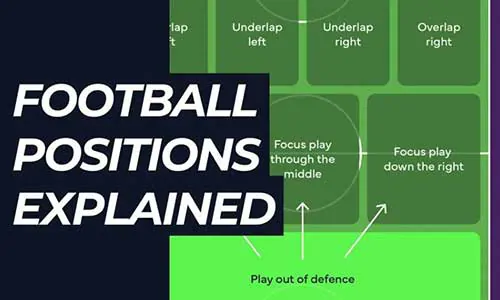
Football Position Numbers Explained: From Traditional 1–11 Roles to the FIFA World Cup 2026
Football is a sport steeped in history, tradition, and tactical nuance. For generations, the numbers printed on the backs of players’ shirts were far more than simple identifiers; they represented specific roles, duties, and tactical expectations on the pitch. As anticipation builds for the highly anticipated FIFA World Cup 2026, understanding these numbers helps fans analyze how elite teams will set up structurally. This guide breaks down the classic meaning of numbers 1 to 11, tracing their evolution from rigid historical systems to the fluid setups we expect to witness on the global stage.
While modern squads utilize a wide variety of numbers ranging from 1 to 99, the classic 1 to 11 numbering system remains the foundational language of football tactics. Consequently, coaches, pundits, and players still use these numbers as shorthand to describe specific roles on the field. Whether you are a casual fan preparing for the historic FIFA World Cup 2026 or an aspiring tactician, decoding this numbering system is essential to appreciating the finer details of the beautiful game.
Table of Contents
The Origin of Football Jersey Numbers 1 to 11
The practice of numbering football players began in the early 20th century as a way to help officials and spectators identify players on the pitch. Initially, numbers were assigned strictly based on the starting lineup, typically corresponding to a classic 2-3-5 formation. Over time, the 4-4-2 formation became the global standard, solidifyng the traditional association between specific numbers and positions.
In addition, these numbers helped build the tactical identity of teams worldwide. A player wearing the number 9 was immediately recognized as the primary goalscorer, while the player in the number 10 shirt carried the creative burden of the squad. This numbering philosophy created a legacy that continues to influence modern tournaments, including the upcoming FIFA World Cup 2026, where tradition and modern innovation will inevitably meet.
Football Position Numbers 1 to 11 Explained
To understand the tactical framework of the game, we must look at each individual number in the traditional starting lineup. Below is a comprehensive breakdown of the traditional roles, responsibilities, and iconic attributes associated with shirt numbers 1 through 11.
Number 1: The Goalkeeper (The Last Line of Defense)
The number 1 shirt is universally reserved for the starting goalkeeper. This player is the only member of the team permitted to handle the ball within their own penalty area. Traditionally, the goalkeeper’s role was confined to shot-stopping, claiming crosses, and kicking the ball as far downfield as possible.
On the other hand, the modern goalkeeper is expected to be highly skilled with their feet. Sweeper-keepers must act as an extra outfield player, initiating attacks from the back with precise short passing. Many of the goalkeepers participating in the FIFA World Cup 2026 will showcase this hybrid style, requiring advanced goalkeeper training techniques to handle high-pressure distribution under opponent press.
Number 2: The Right-Back (Defensive Solidity and Flank Control)
Traditionally, the number 2 is worn by the starting right-back. The primary duty of this position is to defend the right side of the pitch, stopping opposing wingers from crossing the ball or cutting inside. They must exhibit exceptional positional awareness and defensive discipline.
Nevertheless, the modern right-back has evolved into an offensive threat. Players in this role frequently make overlapping runs to support the attack, deliver precise crosses into the box, and sometimes even tuck inside to assist the midfield. Maintaining high stamina is vital for this demanding box-to-box defensive role.
Number 3: The Left-Back (Balancing Defense and Left-Wing Overlaps)
Similar to the right-back, the number 3 is traditionally assigned to the starting left-back. This player mirrors the responsibilities of the number 2, but on the opposite side of the field. A primary attribute for a traditional left-back is being left-footed, which allows them to clear the ball and cross comfortably on their natural side.
In modern systems, the left-back is often highly offensive, sometimes operating almost like a winger. Conversely, some managers use “inverted” full-backs who drift into central midfield to help dominate possession. This tactical flexibility is a trend we are highly likely to see deployed by top nations during the FIFA World Cup 2026.
Number 4: The Center-Back (The Defensive Anchor)
The number 4 shirt is traditionally worn by one of the central defenders. This player serves as the bedrock of the defense, tasked with marking central attackers, winning aerial duels, and organizing the defensive line. Physical strength, bravery, and strong communication skills are fundamental to this position.
Furthermore, the central defensive pairings at the FIFA World Cup 2026 will need to be exceptionally comfortable on the ball. The modern number 4 is often expected to step forward into midfield to break opposing press lines, passing through tight spaces to transition the team from defense to attack rapidly.
Number 5: The Center-Back (The Ball-Playing Defender)
The number 5 is traditionally worn by the second central defender, partnering with the number 4. While the number 4 often acts as the aggressive stopper, the number 5 has historically been the “sweeper” or the ball-playing defender. This player reads the game from a deeper position, clean-up loose balls, and coordinates the offside trap.
Similarly, the modern distinction between numbers 4 and 5 has blurred. Both central defenders are now required to possess excellent technical abilities, driving forward with the ball and executing long-range diagonal passes to unlock compact defensive units.
Number 6: The Defending Midfielder (The Pivot)
The number 6 shirt belongs to the defensive midfielder, often referred to as the pivot or anchor man. Sitting directly in front of the back four, the number 6 protects the defense by breaking up opposition counter-attacks and intercepting passes. Tactical intelligence and stamina are paramount for this position.
In addition, the number 6 is the engine of possession. They receive short passes from the goalkeeper and defenders to distribute them to the more creative players upfield. The crucial defensive midfielders we expect to see shine at the FIFA World Cup 2026 will be master tacticians, dictating the tempo of entire matches from this deep-lying position.
Number 7: The Right Winger (Pace, Creativity, and Goal Threat)
The number 7 is historically associated with the right winger or right-sided attacking midfielder. Traditionally, this player was responsible for staying wide, beating their full-back with dribbling skills, and whipping crosses into the penalty area for the central strikers to attack.
However, the modern number 7 often operates as an inside forward. If they are left-footed, they may play on the right wing so they can cut inside to shoot at goal. This blend of creative crossing and direct goal threat makes the number 7 one of the most exciting positions to watch on the pitch.
Number 8: The Box-to-Box Midfielder (The Engine Room)
The number 8 shirt is worn by the box-to-box midfielder, a player who links defense and attack. This position requires an extraordinary work rate, as the player must defend their own penalty area one moment and arrive in the opponent’s box to score the next. They require a balanced mix of defensive tackling and attacking creativity.
Consequently, this box-to-box role remains essential for teams aiming for success in the FIFA World Cup 2026. Modern modern central midfielders wearing the number 8 must have high passing accuracy, physical endurance, and the ability to score from distance to break defensive deadlocks.
Number 9: The Striker (The Focal Point of Attack)
The number 9 is the classic center-forward or main striker. The primary responsibility of the number 9 is simple: score goals. Historically, these players were physically imposing “target men” who could hold up the ball, win headers, and finish clinical opportunities inside the penalty box.
While physical presence remains valuable, strikers heading to the FIFA World Cup 2026 are increasingly dynamic. Modern number 9s must run into channels, press opposing defenders high up the pitch, and participate heavily in the build-up play, rendering them complete forward packages.
Number 10: The Playmaker (The Creative Genius)
No shirt carries more prestige in football history than the number 10. Traditionally worn by the attacking midfielder or “trequartista,” this player operates in the space between the opposition’s midfield and defense. They are the creative heart of the team, responsible for delivering key assists and scoring vital goals.
The creative playmakers expected to light up the FIFA World Cup 2026 will carry on this proud lineage. Although modern tactics sometimes shift the playmaker to the wing or into a deeper role, the aura of the number 10 as the team’s chief visionary remains completely intact.
Number 11: The Left Winger (The Flank Specialist)
The number 11 shirt is traditionally worn by the left winger. Similar to the number 7, the traditional number 11 used pace and dribbling skills to stretch the opponent’s defense on the left side of the pitch, delivering crosses with their natural left foot.
In modern football, many left wingers are right-footed “inside forwards” who cut inside to shoot on their stronger foot. The left wingers who will represent their nations at the FIFA World Cup 2026 are highly versatile, offering tactical flexibility that can change the outcome of any match in an instant.
How Modern Tactics and the FIFA World Cup 2026 Influence Traditional Numbers
Football is a constantly evolving sport, and rigid positional structures are increasingly rare. Tacticians preparing for the FIFA World Cup 2026 are designing fluid systems where players frequently swap positions mid-game. Therefore, while a player might start a match in a position traditionally associated with a number 6, they might spend large portions of the game operating as a number 8 or a central defender.
Fluid Formations and Hybrid Roles Expected at the FIFA World Cup 2026
Modern formations like the 3-2-4-1 or fluid 4-3-3 require players to master multiple roles. Coaches at the FIFA World Cup 2026 will likely ask their full-backs (Numbers 2 and 3) to step into midfield, while wingers (Numbers 7 and 11) might be tasked with defending deep. This tactical fluidity means that understanding traditional roles is more important than ever, as it provides the baseline from which modern innovations deviate.
Why Squad Numbers at the FIFA World Cup 2026 Still Honor the 1 to 11 Tradition
Despite these tactical shifts, international tournaments keep the 1 to 11 tradition alive. Official squad lists for the FIFA World Cup 2026 will feature 26-man squads, but the classic starting lineup numbers remain highly coveted. Wearing these numbers brings a sense of pride and historical responsibility, connecting modern players to the legends who came before them. For deep insights into historical tactical setups, you can explore the history of football tactics.
Summary Table of Football Position Numbers
To help you visualize the traditional positions and their primary attributes, we have compiled a quick reference table below:
| Number | Traditional Position | Key Responsibilities | Famous Historical Example |
|---|---|---|---|
| 1 | Goalkeeper | Shot-stopping, aerial claims, distribution | Lev Yashin |
| 2 | Right-Back | Defending right flank, overlapping crosses | Cafu |
| 3 | Left-Back | Defending left flank, overlapping runs | Paolo Maldini |
| 4 | Center-Back | Central defense, aerial duels, physical marking | Bobby Moore |
| 5 | Center-Back | Ball-playing defense, tactical coverage, sweeping | Franz Beckenbauer |
| 6 | Defensive Midfielder | Breaking up play, screening defense, possession link | Claude Makélélé |
| 7 | Right Winger | Dribbling, flanking runs, crossing, goal-scoring | David Beckham |
| 8 | Box-to-Box Midfielder | Transition play, defensive tracking, late box runs | Steven Gerrard |
| 9 | Striker | Finishing chances, target-man hold up, high pressing | Ronaldo Nazário |
| 10 | Attacking Midfielder | Playmaking, assists, key passes, creative vision | Diego Maradona |
| 11 | Left Winger | Left-side dribbling, crossing, cutting inside | Ryan Giggs |
Frequently Asked Questions (FAQ)
Understanding football numbering can raise some common questions, especially with the excitement surrounding the FIFA World Cup 2026. Here are clear answers to the most frequently asked queries.
Q1: Are football players required to wear numbers 1 to 11?No, players are not strictly required to wear numbers 1 to 11 in club football. However, roster rules for major tournaments like the FIFA World Cup 2026 require squads to number their players sequentially from 1 up to the squad limit (traditionally 1 to 26), with number 1 always reserved for a goalkeeper.
Q2: What is the difference between a “false 9” and a traditional number 9?A traditional number 9 plays high up the pitch near the opponent’s center-backs. On the other hand, a “false 9” is a tactical role where the striker drops deep into midfield to drag defenders out of position and create space for wingers to exploit.
Q3: Why is the number 10 shirt considered so special in football?The number 10 is special because it has historically been worn by the team’s most creative and influential playmakers, such as Pelé, Diego Maradona, and Lionel Messi. Consequently, wearing the number 10 brings a high degree of prestige and expectation.
Q4: Can a defender wear the number 10?While extremely rare, there are no rules preventing a defender from wearing the number 10 in club football. Nevertheless, in international tournaments, teams generally follow traditional positional numbering to make tactical identification simpler for referees and fans.
Q5: What is a “double pivot” in midfield tactics?A double pivot involves playing two defensive midfielders (often both wearing or playing the role of a number 6) side-by-side in front of the defense. This setup provides extra defensive security and improves ball circulation, a tactical adjustment we might see frequently at the FIFA World Cup 2026.
Q6: How does the number 8 role differ from the number 6 role?The number 6 is a defensive midfielder focused on protection and recycling possession deep in their own half. In contrast, the number 8 is a box-to-box midfielder who actively participates in both defensive work and attacking phases in the opponent’s half.
Conclusion: The Enduring Legacy of Football’s 1 to 11 Numbers
Football’s classic numbering system from 1 to 11 is much more than historical trivia. It provides a universal tactical blueprint that helps us appreciate the structural evolution of the sport. As we look forward to witnessing elite tacticians battle for glory at the FIFA World Cup 2026, keeping these traditional roles in mind offers valuable context for analyzing modern strategic innovations.
Whether you are watching your favorite national team compete in the FIFA World Cup 2026 or simply enjoying a weekend league match, observing how modern players interpret these classic roles adds a rich layer of enjoyment to the spectator experience. For more detailed tactical breakdowns and tournament news, you can check out the official FIFA website and stay up-to-date with The Guardian’s football coverage.
What is your favorite football shirt number?
Do you prefer the creative spark of a traditional number 10, or the tireless work rate of a box-to-box number 8? Let us know your thoughts in the comments below, and don’t forget to share this guide with fellow football fans!