FIFA World Cup 2026 Tickets: How to Avoid Resale Scams and Fake Listings
Understanding the Ticket Scams Surrounding the FIFA World Cup 2026
The unprecedented scale of this tournament has created a highly lucrative environment for online criminals. Security researchers have noted a sharp increase in the registration of malicious domains designed to mimic official platforms. The expanded structure of the FIFA World Cup 2026, which brings together millions of international travelers, provides scammers with a diverse pool of potential victims who may not be familiar with official ticketing regulations.
Consequently, the high demand and limited availability make matches for the FIFA World Cup 2026 highly targeted by automated scalping bots and sophisticated phishing networks. Understanding these systems is the first step toward protecting yourself from substantial financial losses and ensuring your presence in the stadium stands.
Phishing and the Threat to FIFA World Cup 2026 Accounts
Phishing remains one of the most effective methods employed by threat actors. Cybersecurity firms have discovered that malicious operators targeting the FIFA World Cup 2026 have registered thousands of fake domains that closely mirror the look and feel of the official ticket portal. These websites use deceptive designs to fool search engines and casual users alike.
Specifically, sophisticated phishing campaigns employ highly deceptive tactics, such as loading image files directly from official servers to bypass automatic security filters. By presenting users with a convincing replica of the login interface, scammers prompt victims to log in or initiate a password reset. Ultimately, this allows attackers to hijack authentic logins to the official FIFA World Cup 2026 platform, locking fans out of their accounts and stealing any legitimate tickets already tied to their names.
Social Media and Direct Message Ticket Scams
Another prevalent risk occurs on social networks and peer-to-peer messaging apps. When tickets sell out on authorized channels, desperate fans often turn to platforms like Facebook, WhatsApp, Telegram, or specialized forums. Scammers regularly browse these spaces looking for people seeking tickets, positioning themselves as friendly individuals who simply cannot attend the match due to a sudden emergency.
Furthermore, they use high-pressure tactics to close deals quickly, leveraging the victim’s fear of missing out on the historic tournament. Because these transactions take place entirely outside of protected platforms, fans have no recourse once the scammer deletes their profile and disappears with the payment. It is highly advised to cross-reference schedules using our official World Cup schedule page to confirm match dates before discussing any private transfers.
Red Flags of Fake FIFA World Cup 2026 Ticket Listings
To protect your finances and guarantee entry to the matches, you must know how to identify suspicious offerings. When you search for available seats at the FIFA World Cup 2026 on unauthorized channels, you will likely encounter listings designed to exploit your urgency. Understanding the key red flags of fraudulent behavior can save you from major disappointment at the stadium gates.
Unregulated Payments for FIFA World Cup 2026 Matches
One of the most immediate indicators of fraud is the seller’s choice of payment method. If a seller insists on using untraceable peer-to-peer applications, such as Zelle, Venmo, Cash App, Chime, wire transfers, or cryptocurrency, you should immediately halt the transaction. These services are designed for transfers between trusted individuals, meaning they do not offer built-in buyer protection for commercial goods.
When buying secondary tickets for FIFA World Cup 2026 events through these methods, you have virtually zero chance of recovering your funds if the tickets are invalid or never delivered. Therefore, it is crucial for anyone attending the FIFA World Cup 2026 to understand that legitimate ticket brokers and authorized platforms will accept standard credit cards, which offer reliable chargeback dispute options.
Paper Tickets and Screenshot Scams
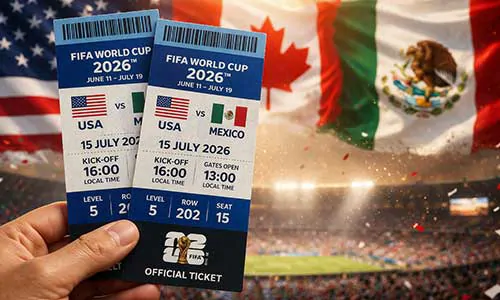
Another vital red flag involves the physical format of the ticket being offered. It is a strict policy that all official tickets issued for the FIFA World Cup 2026 are purely digital. There are no physical paper tickets, printed PDF copies, or simple email confirmations that grant access to the venues.
Official digital tickets are delivered exclusively through the official mobile ticketing application closer to the start of the tournament. These digital tickets employ dynamic, rotating barcodes that refresh every few seconds to prevent replication. If an online seller offers to mail you a paper ticket or send you a static screenshot of a QR code, they are selling you a fake. A static image of a ticket will fail at the stadium turnstile scanners, leaving you stranded outside.
Official Channels to Buy FIFA World Cup 2026 Tickets
To eliminate the risk of purchasing fraudulent seats, you must stick strictly to verified channels. The only way to guarantee secure entry to an official FIFA World Cup 2026 venue is through primary or officially authorized sales platforms.
- The Primary Ticketing Portal: Official ticket sales are managed directly by the governing body on its official portal: FIFA.com/tickets. This site features multiple sales phases, including random selection draws, cardholder presales, and first-come-first-served booking periods. Buying directly ensures you pay face-value prices and receive verified digital tickets directly to your account.
- The Official Resale Marketplace: If you miss out on the initial sales phases, you should utilize the official secondary marketplace. The governing body has established an official resale system specifically for the FIFA World Cup 2026 to handle fan-to-fan exchanges safely. This platform ensures that tickets are resold at face value or within highly regulated price caps, protecting buyers from extreme markup and completely eliminating the possibility of receiving a counterfeit ticket. The Resale Marketplace is accessible to US, Canadian, and international residents, while the Exchange Marketplace is tailored specifically for residents of Mexico to comply with local trade regulations.
- Authorized Hospitality Packages: For those looking for premium experiences, official ticket-inclusive hospitality packages are available. The exclusive provider delivering hospitality experiences for the FIFA World Cup 2026 is On Location, along with its authorized regional sales agents. These packages include premium seating, dining options, and expedited stadium entry, all fully guaranteed.
| Channel Type | Authorized Providers | Safety Level | Key Advantages |
|---|---|---|---|
| Primary Sales | FIFA.com/tickets | Guaranteed Safe | Face-value pricing, direct digital delivery. |
| Official Resale | FIFA Resale / Exchange Marketplace | Guaranteed Safe | Secure fan-to-fan transfer, price-controlled. |
| Hospitality | On Location & Authorized Agents | Guaranteed Safe | Premium seating, food, beverage, and VIP access. |
| Secondary Brokers | StubHub, SeatGeek, Vivid Seats | Moderate Risk | Financial refund guarantees, but higher markups. |
| Social Media / P2P | Facebook, Reddit, Telegram, WhatsApp | High Risk | No buyer protection, extremely high scam rate. |
Evaluating Third-Party Resale Platforms
In addition to official channels, many fans turn to established secondary ticket marketplaces like StubHub, SeatGeek, and Vivid Seats. While these platforms are legitimate corporate entities with clear buyer guarantees, they are not official partners of the tournament organizer. This means that tickets bought here often carry a heavy markup due to high demand.
However, unlike individual social media transactions, these major third-party platforms offer consumer protections. For instance, platforms operating in certain regions are subject to strict local laws. In states like Florida, resale brokers are legally mandated to provide a full refund if an event is canceled or if the buyer is denied entry due to an invalid ticket. While buying from these platforms is safer than buying from random sellers on WhatsApp or Facebook, you must always weigh the increased cost and potential policy changes before making a purchase.
Step-by-Step Guide to Buying Tickets Safely
To help you navigate the process, here is a practical security checklist to follow:
- Directly Type the URL: Always type the official URL FIFA.com/tickets directly into your browser’s address bar. Do not click on sponsored search results, as cybercriminals often purchase paid advertisements to push phishing domains to the top of search listings.
- Use Strong, Unique Credentials: Create a unique, strong password for your ticketing portal account. This prevents credential-stuffing attacks if your password has been leaked in other unrelated database breaches.
- Analyze the Price: Avoid any deal that sounds too good to be true. Scammers often post listings far below market value to create artificial urgency and attract desperate buyers.
- Stick to Protected Payment Systems: If you must use a third-party marketplace, stick to established platforms with robust, written refund guarantees. Never agree to take the transaction off-platform or pay via peer-to-peer transfer apps.
- Download the Official App: Ensure you have downloaded the official tournament ticketing mobile application, which is the only place where your dynamic digital tickets will be safely housed and displayed.
What to Do If You Fall Victim to a Ticketing Scam
If you discover that you have fallen victim to a scam, you must act quickly to limit the damage:
- Contact Your Financial Institution Immediately: If you paid via credit card or an authorized payment gateway, contact your bank to report unauthorized activity or file a chargeback dispute.
- Secure Your Personal Accounts: If you entered your credentials on a suspected phishing site, change your official password immediately. If you reuse that password on other websites, change those as well.
- File a Report with Consumer Protection Agencies: In the United States, you can file a complaint with the U.S. Federal Trade Commission (FTC). In Canada, contact the Canadian Anti-Fraud Centre, and in Mexico, report the issue to PROFECO.
- Report the Seller on the Hosting Platform: If the scam occurred on a social media site like Facebook, Reddit, or Telegram, report the user profile and post to help prevent others from falling victim.
Frequently Asked Questions (FAQ)
Q1: How do I buy official tickets for the FIFA World Cup 2026?
The only authorized way to purchase official primary tickets is directly through the official ticketing portal at FIFA.com/tickets during the announced sales phases.
Q2: Will there be physical paper tickets for the tournament?
No. All official tickets for the tournament are fully digital and delivered exclusively through the official mobile application. Paper tickets or PDF printouts are highly likely to be fraudulent.
Q3: Are third-party resale sites safe for FIFA World Cup 2026 tickets?
While major platforms like StubHub or SeatGeek are legitimate businesses that offer buyer refund guarantees, they are not official FIFA partners. Tickets bought there carry higher markup fees and a potential risk of entry issues depending on local stadium policies.
Q4: What is the official FIFA Resale Marketplace?
It is the official secondary platform run by the governing body, allowing fans who can no longer attend to resell their tickets safely to other fans at face value or under strict price regulations.
Q5: How can I spot a fake ticketing website?
Look for URLs that do not match the official domains, search for spelling errors, check if the site was registered very recently, and avoid any site that demands payment via untraceable peer-to-peer apps like Zelle, Venmo, or cryptocurrency.
Q6: What should I do if I have been scammed by a fake ticket seller?
Immediately contact your bank or credit card company to dispute the charges, update your security credentials, and report the fraud to the U.S. Federal Trade Commission (FTC) or your local consumer protection bureau.
Conclusion and Next Steps
Attending the FIFA World Cup 2026 will undoubtedly be a historic experience for millions of football supporters worldwide. However, due to the extreme demand, the safety of your hard-earned savings depends on your vigilance. By prioritizing primary purchasing channels, steering clear of too-good-to-be-true peer-to-peer offers, and refusing untraceable payment options, you can secure your path to the matches with absolute peace of mind.
Keep your FIFA World Cup 2026 journey safe and memorable. Bookmark the official ticketing portal, remain alert for phishing attempts, and start planning your stadium travel securely today.