Football Pitch Maintenance Explained: Natural Grass vs Hybrid Turf
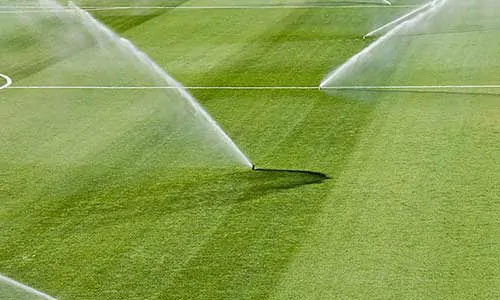
In this comprehensive guide, we analyze the mechanics of football pitch maintenance. We will highlight how these surfaces perform under the spotlight of global tournaments like the FIFA World Cup 2026. Whether you manage a local community field or an elite stadium, understanding these principles is key to turf health.
Table of Contents
- Why Pitch Quality Matters for the FIFA World Cup 2026
- Understanding Natural Grass Sports Turf
- What is Hybrid Turf Technology?
- Key Maintenance Practices for Natural Grass
- Advanced Maintenance Tools Used in the FIFA World Cup 2026
- Maintenance Differences: Natural vs. Hybrid
- Comparison: Natural Grass vs. Hybrid Turf
- Preparing Stadiums for the FIFA World Cup 2026
- Environmental and Sustainability Considerations
- Frequently Asked Questions
Why Pitch Quality Matters for the FIFA World Cup 2026
Elite-level football is faster and more physical than ever before. Consequently, the pitch must be able to withstand immense wear and tear while providing a predictable playing surface. During the FIFA World Cup 2026, stadiums will host multiple high-stakes matches within tight schedules, demanding a surface that can recover rapidly.
A high-quality pitch prevents injuries by offering adequate traction and shock absorption. If a surface is too hard, it increases the risk of joint injuries; if it is too soft, it causes muscle fatigue. Therefore, maintaining the perfect balance of soil moisture, surface hardness, and rotational resistance is essential.
Furthermore, global broadcasting requires the pitch to look pristine. Discoloration, bare patches, or uneven turf can detract from the viewing experience. Thus, adhering to the strict agronomic standards set by FIFA for the FIFA World Cup 2026 is a top priority for venue managers worldwide.
Understanding Natural Grass Sports Turf
Natural grass has been the gold standard of football for over a century. It offers an authentic feel, natural ball roll, and excellent cooling properties. On hot days, natural turf remains significantly cooler than synthetic alternatives, which is crucial for player comfort and performance.
Most professional natural pitches are built on a sand-based rootzone rather than native soil. This design ensures rapid drainage, preventing the pitch from becoming waterlogged during heavy rain. Silica sand is typically mixed with organic matter to provide a stable, nutrient-rich environment for the grass roots. You can read more about sand-based rootzone specifications to see how this prevents soil compaction.
The choice of grass species depends heavily on the local climate. Cool-season grasses like Perennial Ryegrass (Lolium perenne) and Kentucky Bluegrass (Poa pratensis) are favored in temperate regions for their rapid recovery and dense growth. On the other hand, warm-season grasses like Bermudagrass (Cynodon dactylon) are utilized in hotter climates due to their drought tolerance.
However, natural grass has its limitations. It has a finite threshold for playing hours, usually capped at 20 to 25 hours of use per week. Beyond this limit, the turf begins to wear out, leading to bare soil, divots, and compromised playability.
What is Hybrid Turf Technology?
To address the durability limitations of natural grass, hybrid turf technology was developed. Hybrid turf is not artificial grass; rather, it is natural grass reinforced with synthetic fibers. Typically, these synthetic fibers make up about 3% to 5% of the total playing surface, with natural grass growing around them.
There are two primary types of hybrid systems: stitched and carpet-based. Stitched systems involve injecting individual synthetic fibers deep into the rootzone at regular intervals. The natural grass roots entwine with these fibers, anchoring the plant securely in place.
Carpet-based systems utilize a pre-manufactured synthetic mesh or backing that is laid on the pitch. Natural grass is then seeded into the carpet, growing through the backing to establish a deep root system. Both methods provide exceptional stability and prevent divots from forming during intense match play.
In the lead-up to the FIFA World Cup 2026, many host venues are choosing hybrid turf to cope with the high frequency of matches. The synthetic fibers ensure that even if the natural grass is worn down, the surface remains level, stable, and visually uniform.
Key Maintenance Practices for Natural Grass
Maintaining an elite natural grass pitch requires a continuous cycle of agronomic practices. Groundstaff must monitor soil chemistry, moisture levels, and plant health daily. The primary goal is to promote a deep, healthy root system that can withstand high traffic.
Mowing is one of the most frequent tasks. During the growing season, pitches are mown daily to a height of 22mm to 28mm, depending on league specifications. Precise cylinder mowers are used to ensure clean cuts, which reduces the risk of turf diseases.
Aeration is another critical practice used to relieve soil compaction. Over time, player foot traffic and heavy machinery compact the sand rootzone, reducing oxygen levels and restricting water flow. Groundstaff use advanced aeration techniques, such as solid or hollow tining, to punch holes into the surface and allow nutrients, water, and air to reach the roots.
In addition, topdressing is performed regularly. This process involves spreading a thin layer of medium-coarse silica sand over the surface. Topdressing helps level the pitch, dilutes organic matter buildup (thatch), and maintains the hydraulic conductivity of the rootzone.
Finally, fertilizing and overseeding are essential for recovery. Groundstaff apply customized liquid and granular fertilizers based on regular soil testing. Overseeding with high-performance grass seed ensures that new plants constantly replace damaged ones, keeping the turf dense and green.
Advanced Maintenance Tools Used in the FIFA World Cup 2026
For a tournament as massive as the FIFA World Cup 2026, standard maintenance tools are simply not enough. Groundstaff employ state-of-the-art technology to manage microclimates within modern, enclosed stadiums. These structures often block natural sunlight and wind, creating challenging growing conditions.
Mobile grow light rigs are deployed across the pitch to mimic natural sunlight. These lights emit specific wavelengths of light that stimulate photosynthesis and root development, allowing the grass to grow even in deep shade.
Sub-pitch ventilation and heating systems are also vital. These systems can blow warm air up through the rootzone to prevent freezing, or pull excess water down through vacuum suction. This technology will be integrated into venues hosting the FIFA World Cup 2026 to control moisture and temperature.
Additionally, groundstaff utilize automated robotic mowers and advanced soil sensors. These sensors monitor electrical conductivity, moisture, and temperature at various depths in real-time. This data allows the maintenance team to make highly precise irrigation and fertilization decisions.
Maintenance Differences: Natural vs. Hybrid
While hybrid pitches offer superior durability, their maintenance requirements are often more complex than those of purely natural grass. The presence of synthetic fibers means that traditional maintenance machinery must be calibrated carefully to avoid damaging the plastic filaments.
For instance, scarification—the process of removing dead organic thatch—must be done with specialized vertical mowers. Standard scarifying tines can catch and rip out the stitched synthetic fibers, destroying the structural integrity of the hybrid system. Therefore, precise depth control is paramount.
Aeration also requires caution. While solid tining is generally safe, hollow coring (which removes soil cores) can pull up the synthetic fibers if not done correctly. Groundstaff must use specialized tines that slip between the fibers without cutting them.
On the other hand, hybrid pitches require less frequent divot repairing. In pure natural grass, a sliding tackle can dislodge a large chunk of turf, requiring immediate manual repair. In a hybrid system, the synthetic fibers hold the rootzone together, preventing the turf from shearing.
This structural stability dramatically reduces the labor required post-match, which is highly useful for the tight schedules of the FIFA World Cup 2026. However, hybrid pitches have a limited lifespan, typically lasting 8 to 10 years before the synthetic fibers degrade. At that point, the surface must be planed down and completely renovated using advanced pitch renovation strategies.
Comparison: Natural Grass vs. Hybrid Turf
To help visualize the differences, let us compare the two surfaces across key operational metrics:
| Metric | Natural Grass | Hybrid Turf |
|---|---|---|
| Installation Cost | Moderate | High (due to stitching/carpet tech) |
| Maintenance Complexity | Standard agronomic care | High (requires specialized machinery) |
| Weekly Play Hours | 15 – 25 hours | 40+ hours |
| Divot Formation | Frequent (requires manual repair) | Minimal (fibers anchor rootzone) |
| Lifespan | Indefinite (with proper renovation) | 8 – 10 years (fibers degrade over time) |
Preparing Stadiums for the FIFA World Cup 2026
Organizers of the FIFA World Cup 2026 face the unique challenge of preparing venues across three nations: Canada, Mexico, and the United States. This geographical spread introduces vastly different climates, from the humid warmth of Miami to the cooler temperatures of Toronto and Vancouver.
Consequently, groundstaff must tailor their pitch preparation strategies to local environmental conditions. In northern venues, cool-season hybrid systems will be the standard, while southern venues may rely on overseeded warm-season turfgrasses. These decisions are guided by industry research published by organizations like the European Stadium and Safety Management Association.
Additionally, several stadiums for the FIFA World Cup 2026 are multi-use arenas that regularly host American football or concerts. Transitioning these venues from artificial turf to high-performance natural or hybrid grass requires meticulous planning and rapid-lay turf technologies.
The pitches must be installed months in advance to allow the root systems to mature. This preparation ensures that the playing surfaces will remain stable under the intense foot traffic of the world’s best athletes during the tournament.
Environmental and Sustainability Considerations
Modern sports turf management must balance performance with environmental responsibility. High-performance pitches consume significant amounts of water, fertilizer, and energy. Therefore, transitioning to sustainable practices is a key objective for modern venue operators.
Water management is a primary focus. Many stadiums now utilize rainwater harvesting systems and recycled water for irrigation. Soil moisture sensors ensure that water is applied only when absolutely necessary, minimizing waste.
Furthermore, there is a growing push to reduce the use of synthetic pesticides. Groundstaff are increasingly adopting integrated pest management (IPM) practices, utilizing biological controls and organic fertilizers to maintain turf health naturally. This matches the standards of the FIFA Quality Programme for Natural Football Turf.
In hybrid systems, the end-of-life disposal of synthetic fibers is an environmental concern. Research is currently underway to develop biodegradable or fully recyclable hybrid fibers, ensuring that the sustainability goals of modern sports are met, including the eco-friendly practices implemented during the FIFA World Cup 2026 legacy projects.
Frequently Asked Questions
1. What kind of pitch surface is required for the FIFA World Cup 2026?
The playing surfaces must be either high-quality natural grass or reinforced hybrid turf. Fully artificial turf is not permitted for the men’s tournament. Every venue must adhere to strict guidelines regarding slope, moisture, ball bounce, and traction to meet the strict standards of the FIFA World Cup 2026.
2. Is hybrid turf safer for players than natural grass?
Hybrid turf offers a highly consistent surface, which minimizes the risk of slipping or tripping due to uneven divots. When maintained correctly, hybrid turf provides excellent shock absorption, comparable to natural grass. This consistency can help reduce soft tissue injuries during intense competition.
3. How long does it take to install a hybrid pitch?
Stitching a hybrid pitch typically takes about 10 to 14 days of continuous machine operation after the natural grass has established. Carpet-based hybrid systems can be installed more quickly by laying pre-grown turf rolls. This process can be completed in just a few days if rapid field replacement is necessary.
4. How do grow lights help prepare pitches for the FIFA World Cup 2026?
Grow lights compensate for the lack of natural sunlight in highly enclosed stadiums. For the FIFA World Cup 2026, grow lights ensure that the grass continues to photosynthesize, grow, and repair itself. This occurs even when stadium structures block direct solar radiation.
5. What is “fraze mowing” in hybrid turf maintenance?
Fraze mowing (or “koro-ing”) is a renovation practice where the top organic layer of thatch and worn natural grass is planed off. In hybrid pitches, this process leaves the synthetic fibers intact. New grass seed is then sown directly into the existing fibers, dramatically speeding up the rejuvenation cycle.
6. How does the travel schedule of the FIFA World Cup 2026 affect pitch management?
The extensive travel and match schedules across the vast geography of the FIFA World Cup 2026 require uniform pitch behavior. Groundstaff across different venues must communicate constantly to ensure that ball roll speed, surface hardness, and moisture levels remain consistent from stadium to stadium.
Conclusion and Final Thoughts
Maintaining a world-class football pitch is a delicate science that combines agronomy, engineering, and technology. While natural grass remains beloved for its organic feel and cooling properties, hybrid turf has emerged as an indispensable solution for high-traffic, multi-use venues. As we look forward to the FIFA World Cup 2026, the innovation in pitch maintenance ensures that players will perform on safe, consistent, and visually spectacular surfaces.
Are you looking to upgrade your sports facility’s turf or need expert advice on professional grass maintenance? Contact our agronomy team today to find the perfect solutions for your playing fields.