FIFA World Cup 2026 Ticket Prices Explained: Categories, Costs & Seating Guide
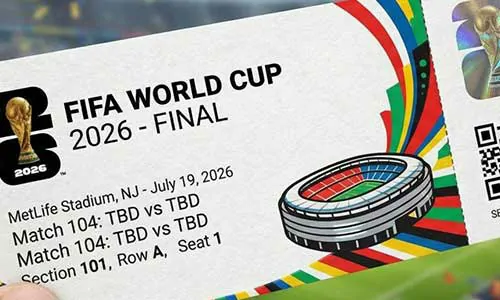
The global sports landscape is turning its focus toward North America as three giant host nations prepare to stage the most massive sporting spectacle in history: the FIFA World Cup 2026. For the first time, the tournament will feature 48 teams instead of 32, expanding the schedule to an unprecedented 104 matches across the United States, Canada, and Mexico.
As millions of fans plan their travels, securing a seat inside the stadiums has become a primary objective. However, the ticketing system for this tournament has undergone massive structural changes, introducing a controversial “dynamic pricing” model and several new category rules. Understanding these shifts is essential for anyone hoping to witness the FIFA World Cup 2026 live. This comprehensive guide breaks down official ticket prices, seating categories, the controversy around dynamic pricing, and how to buy tickets safely.
Table of Contents
- 1. The Massive Scale of the FIFA World Cup 2026 Ticketing Campaign
- 2. Seating Categories in FIFA World Cup 2026 Stadiums
- 3. Official FIFA World Cup 2026 Ticket Prices: Standard Face-Value
- 4. The Dynamic Pricing Controversy & Ongoing Investigations
- 5. How Venues and Host Cities Impact Seating Costs
- 6. Step-by-Step Guide to Booking Tickets Safely
- 7. Budget-Friendly Strategies for Fans
- 8. Frequently Asked Questions (FAQ)
1. The Massive Scale of the FIFA World Cup 2026 Ticketing Campaign
The sheer geographical footprint of this tournament has completely altered standard ticketing expectations. Unlike Qatar 2022, where matches were held in highly concentrated zones around Doha, the FIFA World Cup 2026 spans 16 cities across three vast countries. Consequently, the demand for tickets has reached historic heights, outstripping the supply by over 30 times in the initial booking phases.
Furthermore, FIFA has taken direct control of the commercial and ticketing operations, shifting away from local organizing committees. This move was intended to streamline sales, but it has also introduced a more commercialized approach to match pricing. The tournament organizers expect to generate billions of dollars in revenue, which has directly translated into higher base-level ticket costs for international fans.
In addition, the 48-team format means there are many more group stage matches. This provides budget-conscious fans with a wider window of opportunity to attend, even if the high-profile knockout rounds and final matches are priced at premium levels.
2. Seating Categories in FIFA World Cup 2026 Stadiums
To accommodate varying fan preferences and budgets, seating at every host venue is split into distinct categories. For the FIFA World Cup 2026, seating category definitions have shifted slightly to focus on elevation and distance:
- Category 1:
These are the most premium seats available to the general public. Located primarily in the lower tiers along the central sidelines, Category 1 tickets offer unparalleled views of the pitch. They face the main broadcast cameras and are highly coveted by corporate entities and diehard enthusiasts. - Category 2:
Positioned just outside the Category 1 zones, these seats are located on the corners of the lower bowl or along the central sideline sections in the upper tiers. They provide a fantastic balance between price and viewing quality. - Category 3:
These are value-focused seats positioned behind the end zones (behind the goals) or in the upper-tier corners. While further away from the pitch, they often host the most passionate and vocal fan groups. - Category 4:
The most affordable seating tier, primarily situated in the highest rows of the upper deck and corner sections. Traditionally, Category 4 is reserved heavily for local residents of the host nations (USA, Canada, and Mexico) to keep the matches accessible to local communities. - Supporter Entry Tier:
A unique category priced flatly at $60. These tickets are distributed exclusively through national federations to loyal fans with a proven history of supporting their teams in official qualifiers. They are not accessible via standard general public lotteries.
3. Official FIFA World Cup 2026 Ticket Prices: Standard Face-Value
The base face-value of ticket prices varies significantly depending on the stage of the tournament. While group stage matches are relatively accessible, prices climb rapidly as teams advance into the knockout phases.
The table below reflects the confirmed official standard face-value price ranges (in USD) announced by FIFA for different match stages. Please note that these represent baseline pricing before the application of any service fees or dynamic surcharges.
| Match Stage | Supporter Tier / Cat 4 | Category 3 | Category 2 | Category 1 |
|---|---|---|---|---|
| Group Stage (Neutral) | $60 – $120 | $120 – $200 | $500 – $900 | $700 – $1,200 |
| Group Stage (Host Nation) | $60 – $180 | $400 – $700 | $1,100 – $1,800 | $1,500 – $2,735 |
| Round of 32 / 16 | $60 – $150 | $225 – $240 | $440 – $515 | $540 – $640 |
| Quarterfinals | $60 – $220 | $450 | $1,200 | $1,775 |
| Semifinals | $60 – $350 | $930 | $2,350 | $3,295 |
| World Cup Final | $60 – $2,030 | $1,490 – $2,200 | $4,500 – $5,500 | $6,730 – $7,875+ |
Note: Standard face-value prices do not include the mandatory 15% booking and service fee added by FIFA during checkout.
4. The Dynamic Pricing Controversy & Ongoing Investigations
The introduction of a dynamic pricing model for the first time in tournament history has driven significant conversation surrounding the FIFA World Cup 2026. Under this system, ticket costs fluctuated dynamically based on real-time market demand, participating teams, and location.
How Dynamic Pricing Impacted the Market
While some games with lower demand have seen stable or even falling secondary market prices, high-demand fixtures experienced astronomical increases. Standard Category 1 tickets for the final at MetLife Stadium in East Rutherford climbed well past their base price, with premium “Front Row” Category 1 seats peaking as high as $32,970 on official primary portals.
Consequently, consumer protection advocates and public officials have raised major concerns. The Attorneys General of New York and New Jersey launched active investigations into FIFA’s ticketing practices. Investigators are focusing on lack of price transparency, potential consumer deception, and allegations that buyers were prompted to purchase tickets before knowing their exact seat locations.
Additionally, technical glitches marred several sales phases. In late May, a checkout error mistakenly issued tickets to roughly 60 fans for $0, prompting FIFA to cancel the bookings and request full payment. These incidents have intensified the debate over whether the pricing structures are pricing real soccer fans out of the event.
5. How Venues and Host Cities Impact Seating Costs
With matches distributed across three nations, the location of a game plays a key role in total attendance expenses. Venues located in the United States generally command higher base rates due to the strong purchasing power of the local sports entertainment market. High-profile matches in cities like New York, Los Angeles, and Dallas are naturally priced at a premium compared to early-stage matches in other regions.
On the other hand, stadiums in Mexico (such as the historic Estadio Azteca) and Canada (such as BC Place in Vancouver) offer a variety of seating brackets that can occasionally be more affordable at standard face-value. However, host nation matches featuring the USMNT, Mexico, or Canada are highly sought-after, with tickets for those fixtures priced considerably higher than neutral group stage matches.
Therefore, fans must look beyond the ticket price alone. Travel logistics, cross-border flights, local transport, and lodging in high-demand cities will likely comprise the majority of your overall budget.
6. Step-by-Step Guide to Booking Tickets Safely
Due to the historic demand, online ticket scalping and counterfeit tickets have become highly prevalent. To protect your investment, you should follow official, verified channels when trying to purchase seats:
- Register via the Official Portal:
Create a verified profile directly on the official FIFA Ticketing Portal (FIFA.com/tickets). This is the only place to access primary face-value inventory. - Download the Official FIFA Ticketing App:
All physical paper tickets have been eliminated. Legitimate tickets exist only in digital form and are delivered exclusively through the official mobile app. - Use the Official Resale Platform:
If you need to buy or sell tickets, utilize the official platform operated by FIFA. Be aware that FIFA charges a 15% commission fee to both the buyer and the seller for transactions on this marketplace. - Exercise Caution on Secondary Marketplaces:
While platforms like SeatGeek or StubHub provide widespread secondary availability, ensure you read their terms of service carefully. Only buy from platforms that offer verified buyer protection policies to safeguard your money.
7. Budget-Friendly Strategies for Fans
Attending matches during the FIFA World Cup 2026 can be an expensive endeavor, but smart planning can help keep your budget in check. Consider the following cost-saving approaches:
- Prioritize Neutral Group Stages: Neutral group matches (not involving host nations) are much easier to secure at face value and generally avoid extreme dynamic price hikes.
- Look for Suburb Accommodations: Hotel prices in major metro centers soar on matchdays. Look for lodging options in neighboring towns connected by regional train lines to save significantly on accommodation.
- Utilize Public Transit: Host cities like New York/New Jersey, Seattle, and Vancouver offer robust public transport networks directly to their stadiums. Avoid renting cars or paying expensive stadium parking fees.
- Register with National Fan Clubs: If your home country qualifies, check if their official supporters’ group has access to the $60 Supporter Entry Tier ticket allocations.
8. Frequently Asked Questions (FAQ)
Q1: What are the cheapest ticket categories available to the general public?
A1: Category 4 tickets (often reserved for local residents) and the Supporter Entry Tier ($60) represent the most economical options. Standard Category 3 tickets for neutral group stage games start at $120.
Q2: Why are ticket prices for the FIFA World Cup 2026 so much higher than previous tournaments?
A2: High demand from the wealthy North American market, direct commercialization of sales by FIFA, and the introduction of dynamic pricing have driven ticket prices up compared to past editions.
Q3: How does the dynamic pricing model work?
A3: Dynamic pricing adjusts ticket rates in real-time based on supply and demand. Highly anticipated matches see prices scale up, whereas less popular fixtures may remain closer to their base price.
Q4: Can I buy physical paper tickets for the matches?
A4: No. FIFA has shifted entirely to secure digital tickets. Tickets must be managed and scanned directly from the official mobile ticketing application.
Q5: What are the NY and NJ Attorney General investigations about?
A5: The investigations are targeting potential consumer protection violations, specifically looking into hidden fees, lack of upfront seat details, and sudden price surges caused by dynamic ticketing models.
Q6: How much does FIFA charge for reselling tickets?
A6: FIFA charges a combined commission on its official resale platform. It currently takes a 15% service fee from both the buyer and the seller to process ticket transfers safely.
Conclusion
The FIFA World Cup 2026 is set to deliver an incredible sports spectacle, but the road to securing tickets requires research and patience. While base prices can be steep and dynamic pricing remains highly unpredictable, staying updated through official platforms and planning your travel logistics early will help maximize your chances of enjoying the action live from the stands.
Which match are you hoping to attend during the tournament? Have you had any experience with the dynamic pricing model yet? Share your thoughts and questions in the comments below!