FIFA World Cup 2026 Hosts: USA, Canada and Mexico City Guide
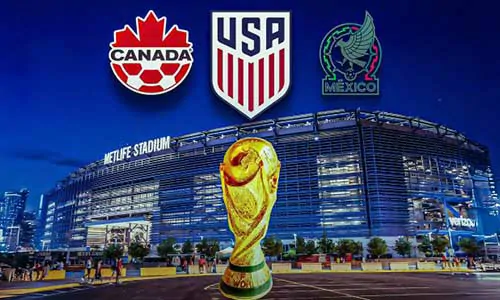
The tournament is finally here. As football enthusiasts from around the world gather, the FIFA World Cup 2026 marks a historic milestone in sports history. Jointly hosted by three North American giants—the United States, Canada, and Mexico—this grand spectacle promises unforgettable matches, world-class stadiums, and diverse cultural experiences.
Whether you are traveling to support your national team or simply enjoying the global atmosphere, navigating sixteen distinct cities across three massive nations can be a challenge. This comprehensive travel guide details everything you need to know about the FIFA World Cup 2026 host cities, venues, and transit tips.
Table of Contents
- A Historical Overview of the FIFA World Cup 2026
- United States Host Cities for FIFA World Cup 2026
- Canada and Mexico: Co-hosting the FIFA World Cup 2026
- Quick Comparison of Major Tournament Stadiums
- Essential Travel Guide and Tips for the FIFA World Cup 2026
- Frequently Asked Questions About the FIFA World Cup 2026
A Historical Overview of the FIFA World Cup 2026
The United 2026 bid set a new precedent for international football tournaments by bringing together three powerhouse nations. The expanded format of the FIFA World Cup 2026, which features 48 teams instead of the traditional 32, means more matches, more goals, and more action.
Across a total of 104 matches, fans will experience high-octane games spread over diverse geographical landscapes. From the coastal breeze of Vancouver to the high altitude of Mexico City, this tournament highlights the geographic diversity of North America.
In addition to increasing the number of participating countries, this edition places a massive emphasis on sustainability and modern infrastructure. Each host nation brings a distinct soccer culture and specialized stadiums designed to maximize safety, comfort, and fan engagement.
These features combined help make the FIFA World Cup 2026 the largest tournament of its kind in history. Let us delve into the details of where these spectacular matches will unfold.
United States Host Cities for FIFA World Cup 2026
The United States is staging the majority of the tournament’s fixtures across 11 premier cities. Each of these host cities boasts massive multi-purpose stadiums that regularly accommodate tens of thousands of cheering fans for national leagues.
Within the US, the FIFA World Cup 2026 matches will be played in cities representing the East Coast, the West Coast, the Midwest, and the South. Below is a detailed breakdown of each US host city and stadium.
1. New York/New Jersey (MetLife Stadium)
Located in East Rutherford, New Jersey, just outside Manhattan, MetLife Stadium stands as one of the premier venues of the tournament. Known as the New York/New Jersey Stadium for this event, it will host the final match of the FIFA World Cup 2026 on July 19.
Visitors can easily access the venue via public transit from New York Penn Station or Secaucus Junction. This makes the venue highly accessible for global travelers staying in New York City. The local area also features world-famous culinary experiences, landmarks, and museum districts.
2. Los Angeles (SoFi Stadium)
Positioned in Inglewood, California, SoFi Stadium is a marvel of modern architectural design. Serving as one of the primary West Coast venues, it will host the opening match for the US Men’s National Team.
The stadium features a translucent canopy and a dual-sided oval video board that elevates the fan experience. It is recommended to plan your car rental or shuttle options early, as traffic around Los Angeles can be dense during match days. Take some time to explore Santa Monica Beach and the Hollywood hills between games.
3. Dallas (AT&T Stadium)
Arlington’s AT&T Stadium, referred to as the Dallas Stadium, is famous for its colossal retractable roof and massive high-definition video screen hanging over the center of the field. Dallas is slated to host nine matches during the tournament.
Because Dallas is a critical hub for the FIFA World Cup 2026 schedule, finding centrally located accommodations is key. The city’s sprawling layout means that renting a car or booking rideshare services is highly recommended for traveling between your accommodation and the venue. Do not miss trying authentic Texas barbecue during your visit.
4. Miami (Hard Rock Stadium)
Miami’s Hard Rock Stadium in Miami Gardens is a vibrant venue that frequently hosts global sports events. Thanks to its canopy roof protecting spectators from the Florida sun, it offers an ideal climate for energetic matches.
Beyond the soccer pitch, fans can enjoy beautiful beaches, Latin American-influenced cuisine, and a diverse nightlife scene. It is a fantastic destination to combine high-stakes football with a tropical vacation. Public transport includes the Brightline train, which connects major hubs in South Florida.
5. Boston (Gillette Stadium)
Located in Foxborough, Massachusetts, Gillette Stadium has a long history of hosting significant soccer events, including previous World Cup games and MLS fixtures. The stadium is situated roughly 30 miles southwest of downtown Boston.
Special commuter rail services are typically organized for major stadium events, offering an efficient transit option from Boston South Station direct to Foxborough. Fans can easily explore historical sights such as the Freedom Trail and enjoy fresh local seafood like clam chowder and lobster rolls.
6. Philadelphia (Lincoln Financial Field)
Lincoln Financial Field is located in the heart of South Philadelphia’s sports complex. Known for its intense, passionate sports fanbase, Philadelphia is a historical treasure trove.
Visitors can easily combine their match-day plans with historical sightseeing at Independence Hall and the Liberty Bell. The local SEPTA subway system provides a direct, low-cost link from downtown to the stadium gates. Do not leave without trying a classic Philadelphia cheesesteak.
7. Atlanta (Mercedes-Benz Stadium)
Atlanta’s Mercedes-Benz Stadium is a state-of-the-art facility featuring a unique pinwheel retractable roof and a massive 360-degree halo video board. Situated in downtown Atlanta, it is highly accessible via the city’s MARTA rail transit.
The stadium has earned global acclaim for its affordable concession pricing and sustainable design, making it a favorite for traveling families. Nearby attractions include the Georgia Aquarium and the World of Coca-Cola, both within walking distance of the venue.
8. Kansas City (GEHA Field at Arrowhead Stadium)
Renowned for its deafening crowd noise and passionate sporting culture, Arrowhead Stadium is a bucket-list venue for many sports fans. Kansas City offers an exceptional culinary experience, famous worldwide for its unique style of barbecue.
While the stadium lacks direct rail transit from downtown, dedicated shuttle buses and rideshare hubs are planned to handle the massive influx of international visitors. Booking private transportation or organizing group shuttles is highly recommended.
9. Houston (NRG Stadium)
Houston’s NRG Stadium features a retractable roof and a massive indoor floor plan that has hosted Super Bowls, rodeos, and major international soccer friendlies. Houston is one of the most culturally diverse cities in North America, offering world-class dining and cultural museums.
The METROrail system offers a direct route to the NRG Park station, making transit convenient for fans staying along the main rail line. Visitors should make time to visit Space Center Houston for an educational and memorable excursion.
10. San Francisco Bay Area (Levi’s Stadium)
Located in Santa Clara, California, Levi’s Stadium represents the high-tech heart of Silicon Valley. This eco-friendly venue features a green roof and advanced solar panels.
To get to the stadium from San Francisco or San Jose, fans can utilize the Caltrain commuter rail or the VTA light rail system. Be sure to explore the local tech museums and nearby vineyards during your stay.
11. Seattle (Lumen Field)
Situated in downtown Seattle, Lumen Field is famous for its steep seating bowls that trap crowd noise, creating one of the most intense stadium atmospheres in the country. The stadium boasts beautiful views of the Seattle skyline and Puget Sound.
Its central location allows fans to easily walk to Pike Place Market and downtown hotels, or use the Link Light Rail for quick transit. Enjoying fresh Pacific Northwest seafood is a must-do activity between match fixtures.
For more travel ideas, see our guide on [Internal Link: Top Travel Gear for Soccer Tournaments] to prepare your match-day kit.
Canada and Mexico: Co-hosting the FIFA World Cup 2026
Mexico and Canada add immense cultural depth, legendary historic venues, and modern facilities to this tournament. Mexico has a historic legacy of soccer, bringing the FIFA World Cup 2026 to three distinct cities with deep roots in the sport, while Canada offers two vibrant, multicultural coastal cities.
Mexico: Legendary Football Venues
- Mexico City (Estadio Azteca): A true cathedral of global football. Estadio Azteca is the first stadium to host matches in three different editions, culminating with the FIFA World Cup 2026. It hosted the historic finals of 1970 and 1986. Located in the south of Mexico City, it is accessible via the Tren Ligero (light rail).
- Guadalajara (Estadio Akron): Home to the famous club Chivas, this modern stadium is designed like a volcano blending seamlessly into the surrounding landscape. Guadalajara is famous for mariachi music, tequila, and rich cultural heritage.
- Monterrey (Estadio BBVA): Known as “El Gigante de Acero” (The Steel Giant), this stunning venue offers a breathtaking backdrop of the Cerro de la Silla mountain. Monterrey is a major industrial hub with fantastic mountain hiking trails right outside the city center.
Canada: Stunning Coastal and Urban Hosts
- Toronto (BMO Field / Toronto Stadium): Situated along the scenic shores of Lake Ontario, Toronto Stadium is expanding its capacity to comfortably host world-class crowds. Toronto is Canada’s most populous city, offering unmatched cultural diversity, incredible food scenes, and easy transit via the TTC streetcars and subways, proudly representing the country for the FIFA World Cup 2026.
- Vancouver (BC Place): Located in British Columbia, BC Place features a state-of-the-art retractable roof and offers beautiful views of the surrounding mountains and waterways. Vancouver is a paradise for outdoor enthusiasts, where you can easily go hiking in the morning and attend a football match in the afternoon.
Before traveling internationally across North American borders, ensure you review the necessary entry documentation. Check out our comprehensive guide on [Internal Link: How to Apply for Fan IDs and Visas] to keep your travel plans on track.
Quick Comparison of Major Tournament Stadiums
To help you navigate the scale of these venues, here is a quick overview of select key stadiums hosting major matches during the tournament:
| Host City | Stadium Name | Approximate Capacity | Special Feature |
|---|---|---|---|
| New York/New Jersey | MetLife Stadium | 82,500 | Host of the Final Match |
| Mexico City | Estadio Azteca | 87,523 | Historic 3rd World Cup Venue |
| Dallas | AT&T Stadium | 92,967 | Massive suspended video board |
| Los Angeles | SoFi Stadium | 70,240 | Translucent roof & double-sided screen |
| Vancouver | BC Place | 54,500 | Retractable cable-supported roof |
Essential Travel Guide and Tips for the FIFA World Cup 2026
Crossing borders, planning accommodation, and navigating transport during the FIFA World Cup 2026 requires careful planning. Since the matches are hosted across three independent nations, there are several key logistical elements that you should consider well in advance of the opening whistle.
1. Cross-Border Transportation
Flights between the USA, Canada, and Mexico are highly accessible, but demand will spike significantly during the tournament. It is highly recommended to book multi-city flight tickets early to secure affordable fares.
Remember that you may need separate visas or electronic travel authorizations (such as an ESTA for the US or an eTA for Canada) depending on your nationality. Keeping digital copies of all authorizations on your phone is a reliable way to ensure smooth immigration checks.
2. Accommodation Strategy
Hotel prices in host cities will rise as match days approach. Consider booking accommodations slightly outside the downtown centers or stadium zones, provided they have convenient access to public transit routes.
Utilizing alternative booking platforms and home rentals can also offer cost-effective options for families and groups. Always check reviews regarding proximity to local transit systems to avoid unexpected travel times.
3. Navigating the Host Cities
While some host cities like New York, Seattle, and Vancouver boast highly integrated transit networks, other cities like Dallas, Houston, and Los Angeles are much easier to navigate using a rental car or ridesharing.
Research the specific transport guidelines for each city on the Official FIFA Tournament Page to find official park-and-ride options and stadium shuttles. Additionally, downloading local transit apps is an excellent way to avoid long lines and map out your routes in real time.
For recommendations on the most reliable digital resources, please see our curated list of [Internal Link: Best Sports Apps to Track Match Scores].
Conclusion
As the excitement for the FIFA World Cup 2026 reaches its peak, careful preparation is key to making the most of this once-in-a-lifetime sporting celebration.
From the historic stands of Estadio Azteca to the futuristic dome of SoFi Stadium, each city offers a unique blend of passion, culture, and high-level sports entertainment. Plan your matches, secure your transport, and dive into a truly historic global tournament.
Are you ready for the ultimate soccer journey? Start planning your travel itinerary today, check visa requirements early, and secure your accommodations to ensure a seamless experience. Stay tuned for further updates as we count down to the historic kickoff!
Frequently Asked Questions About the FIFA World Cup 2026
Where will the FIFA World Cup 2026 final be played?
The final match of the tournament is scheduled to be played at MetLife Stadium (referred to as the New York/New Jersey Stadium) in East Rutherford, New Jersey, on July 19, 2026.
How many host cities are participating in the tournament?
There are 16 host cities across the three host nations: 11 in the United States, 3 in Mexico, and 2 in Canada.
How many teams are participating in the FIFA World Cup 2026?
This edition features an expanded format with 48 teams competing across 104 matches, making it the largest tournament in history.
Do I need separate visas for the USA, Canada, and Mexico?
Yes. Depending on your citizenship, you may need separate travel authorizations or visas for each country. Always consult official government immigration websites like the US Soccer Federation Event Updates or official consular portals before planning cross-border travel.
Can I travel between the host countries during the FIFA World Cup 2026?
Yes, multiple flights and border crossings are available, but you must ensure you have valid entry documents for each nation before your departure.
When does the tournament start and end?
The tournament begins with the opening match on June 11, 2026, and concludes with the final match on July 19, 2026.