Canada at FIFA World Cup 2026: Vancouver and Toronto Stadium Guide
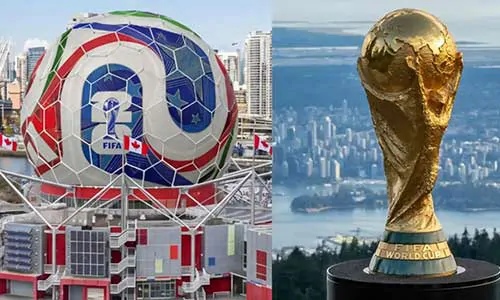
Canada at FIFA World Cup 2026: Vancouver and Toronto Stadium Guide
The global stage is set for the most extensive sporting spectacle in North American history. The highly anticipated FIFA World Cup 2026 is fast approaching, bringing unprecedented soccer fever to Canada, Mexico, and the United States. For the very first time, Canada will co-host this legendary tournament, opening its doors to millions of passionate supporters from around the globe. This historic occasion marks a monumental milestone for Canadian sports, as the national men’s team prepares to battle international opponents on home soil. Consequently, cities across the nation are preparing for an influx of tourists, journalists, and world-class athletic talent. Specifically, the vibrant metropolitan hubs of Vancouver and Toronto will serve as the Canadian host cities, showcasing two iconic venues upgraded to deliver an unforgettable tournament experience.
To help you navigate this massive soccer celebration, we have created an in-depth stadium guide detailing everything you need to know about Canada’s host venues, match schedules, stadium modifications, and travel tips. Whether you are a local supporter or an international fan traveling to Canada, this guide will ensure you are fully prepared for the matches ahead.
Table of Contents
- Why the FIFA World Cup 2026 is a Historic Event for Canada
- Vancouver’s Sporting Icon: BC Place and the FIFA World Cup 2026
- Upgrades and Renovations at BC Place
- Match Schedule and Key Clashes at BC Place
- Toronto’s Lakeside Fortress: Toronto Stadium and the FIFA World Cup 2026
- Renovations and Seating Expansion at Toronto Stadium
- Match Schedule and Key Clashes at Toronto Stadium
- Side-by-Side Venue Comparison Table
- Practical Guide for Soccer Fans Traveling to Canada
- The Legacy and Future of Soccer in Canada
- Frequently Asked Questions (FAQ)
Why the FIFA World Cup 2026 is a Historic Event for Canada
The FIFA World Cup 2026 represents a landmark era for international sports. For the first time in history, the tournament will expand from its traditional 32-team format to a massive 48-nation competition, featuring a total of 104 matches. While the United States will host the majority of the knockout fixtures, Canada will host 13 matches split between its two selected metropolitan areas. In addition, this tournament represents the first time Canada’s men’s national team will play World Cup group stage matches on domestic turf.
Soccer has long been a highly participatory sport in Canada, connecting millions of young athletes at the grassroots level. However, the domestic professional ecosystem has grown significantly in recent years, spurred by the success of Major League Soccer (MLS) franchises and the launch of the Canadian Premier League (CPL). Hosting the tournament on home soil will likely accelerate this interest. On the other hand, the financial and cultural impacts of hosting millions of international visitors will leave an impact on Canada’s tourism and hospitality sectors. Therefore, the legacy of this event is expected to be felt for decades, inspiring a new wave of Canadian soccer players and sports enthusiasts.
To follow Canada’s path to this stage, read our guide on the Canada National Team’s preparation and roster.
Vancouver’s Sporting Icon: BC Place and the FIFA World Cup 2026
Nestled alongside the picturesque False Creek waterfront, BC Place is one of Canada’s most recognizable and architecturally impressive sports venues. Originally opened in 1983, the stadium underwent a major revitalization project in 2011, which introduced a state-of-the-art retractable roof supported by a complex cable net structure. Over the years, BC Place has successfully hosted major international spectacles, including the 2010 Winter Olympic Games and the final of the FIFA Women’s World Cup 2015.
Consequently, the stadium’s readiness to participate in the FIFA World Cup 2026 makes it a natural choice. Its location in downtown Vancouver makes it highly accessible for both local residents and international visitors, who can enjoy the city’s stunning natural landscapes, parks, and dining options before heading into the arena.
Upgrades and Renovations at BC Place
Although BC Place is already a premier modern facility, preparing the stadium for the rigorous standards of FIFA required notable investments. First and foremost, FIFA regulations dictate that all matches must be played on natural grass. Because BC Place typically utilizes an artificial turf system, venue operators have worked to install a temporary, state-of-the-art natural grass field specifically for the tournament.
Furthermore, British Columbia’s Pavilion Corporation (PavCo) has spearheaded several other critical upgrades. These include the installation of an updated center-hung videoboard to improve visual clarity for spectators, optimized player tunnels to accommodate international teams, and refurbished luxury suites and media areas. Additionally, elevator capacities and public restrooms have been renovated to facilitate smoother crowd flow during high-attendance match days.
Match Schedule and Key Clashes at BC Place
Vancouver is set to host a total of seven highly anticipated matches during the tournament. These fixtures include five crucial group-stage matches and two high-stakes knockout games (one in the Round of 32 and another in the Round of 16).
Crucially, the Canadian men’s national team will play two of their three group stage matches at BC Place, ensuring a thunderous home-field advantage. The confirmed match schedule for Vancouver is as follows:
- June 13, 2026: Australia vs. Turkey (Group Stage)
- June 18, 2026: Canada vs. Qatar (Group Stage – Canada’s 2nd match)
- June 21, 2026: New Zealand vs. Egypt (Group Stage)
- June 24, 2026: Canada vs. Switzerland (Group Stage – Canada’s 3rd match)
- June 26, 2026: Belgium vs. New Zealand (Group Stage)
- July 2, 2026: Round of 32 Match
- July 7, 2026: Round of 16 Match
Toronto’s Lakeside Fortress: Toronto Stadium and the FIFA World Cup 2026
On the eastern side of the country, Toronto will welcome the world to its lakeside soccer cathedral. Officially known as BMO Field, this iconic venue will be referred to as Toronto Stadium during the tournament due to FIFA’s commercial naming policies. Situated within the historic Exhibition Place grounds, Toronto Stadium has served as the heart of Canadian soccer since its construction in 2007. It is the permanent home of Major League Soccer’s Toronto FC and has hosted many of the Canadian men’s national team’s most memorable moments, including their historic qualification run in 2022.
Therefore, hosting the tournament in Toronto is a natural fit. The city itself is highly multicultural, with a diverse population representing nearly every competing country. This cultural mosaic ensures that every visiting nation will find a warm, supportive community waiting for them in Toronto.
Renovations and Seating Expansion at Toronto Stadium
Unlike BC Place, which already possessed a large seating capacity, Toronto Stadium required extensive structural renovations to meet FIFA’s strict minimum capacity threshold for World Cup venues. Normally, the stadium seats approximately 28,000 to 30,000 fans for regular MLS matches.
To overcome this challenge, a major renovation plan was implemented. This project involved constructing major temporary grandstands behind the north and south goals. These newly installed sections successfully increased the stadium’s total capacity to approximately 45,000, allowing it to meet the international event standards. In addition, the stadium already features a high-quality hybrid grass surface, which is highly favored by professional players. Other upgrades include enhanced media areas, expanded player locker rooms, and improved broadcasting infrastructure.
Match Schedule and Key Clashes at Toronto Stadium
Toronto Stadium is scheduled to host six matches throughout the tournament. Most notably, Canada’s opening group-stage match will take place here, establishing Toronto as the launching pad for Canada’s historic tournament campaign.
The official match schedule for Toronto includes:
- June 12, 2026: Canada vs. Bosnia-Herzegovina (Group Stage – Canada’s Opening Match)
- June 17, 2026: Ghana vs. Panama (Group Stage)
- June 20, 2026: Germany vs. Ivory Coast (Group Stage)
- June 23, 2026: Panama vs. Croatia (Group Stage)
- June 26, 2026: Senegal vs. Iraq (Group Stage)
- July 2, 2026: Round of 32 Match
Side-by-Side Venue Comparison Table
In addition to understanding each stadium individually, it is helpful to look at how they compare side by side. Below is an overview of the key specifications for both Canadian host venues during the tournament.
| Feature | BC Place (Vancouver) | Toronto Stadium (Toronto) |
|---|---|---|
| World Cup Capacity | ~54,000 | ~45,000 |
| Playing Surface | Temporary Natural Grass (Replaced artificial turf) | Permanent Hybrid Grass |
| Number of Matches | 7 Matches (5 Group, R32, R16) | 6 Matches (5 Group, R32) |
| Canada Matches Hosted | 2 Matches (June 18 vs. Qatar, June 24 vs. Switzerland) | 1 Match (June 12 vs. Bosnia-Herzegovina) |
| Roof Design | Retractable Roof | Open Air (Partial canopy over stands) |
| Primary Renovations | Grass install, center videoboard, optimized elevators & tunnels | Temporary 17,500-seat endzone expansion, press box upgrades |
Practical Guide for Soccer Fans Traveling to Canada
Traveling across Canada during the FIFA World Cup 2026 requires careful planning due to the vast geographical scale of the nation. Specifically, the distance between Toronto and Vancouver is roughly 3,360 kilometers (2,088 miles). Consequently, driving between the two host cities is highly impractical for fans following the Canadian national team’s group stage progression. Flying is the most realistic option for traveling from the East Coast to the West Coast, with direct flight times averaging approximately five hours.
For more detailed assistance on navigating the country, refer to our comprehensive World Cup Travel Guide to Canada.
Navigating Within Vancouver and Toronto
Fortunately, both cities boast exceptional public transit infrastructure designed to handle large crowds during major sporting events.
In Vancouver, TransLink operates the SkyTrain, an automated rapid transit system. The Expo Line brings fans directly to the Stadium-Chinatown Station, which is located just steps away from BC Place. In addition, Vancouver is highly pedestrian-friendly, and the stadium is easily accessible by foot from most downtown hotels.
In Toronto, the Toronto Transit Commission (TTC) and Metrolinx offer robust options. To reach Toronto Stadium at Exhibition Place, fans can board the 509 Harbourfront or 511 Bathurst streetcars, which drop off directly at Exhibition Loop. Alternatively, travelers can take the GO Transit Lakeshore West train line to the Exhibition GO Station, located adjacent to the stadium entrance.
Accommodation and Weather Considerations
Due to the massive scale of the tournament, hotels and short-term rentals will be in extremely high demand. Therefore, it is recommended to secure your accommodation months in advance.
On the other hand, climate differences between the two coastal regions should influence your packing choices. Vancouver in June is typically mild, with average highs of around 20°C (68°F), though light rain is always possible in the Pacific Northwest. Conversely, Toronto summers are warm, with temperatures frequently exceeding 25°C to 30°C. Consequently, prepare for both cooler, temperate coastal breezes in Vancouver and warmer lakeside weather in Toronto.
The Legacy and Future of Soccer in Canada
The long-term benefits of hosting the tournament will completely revolutionize the sport across Canada. Historically, soccer has competed with traditional North American sports like ice hockey and Canadian football for media coverage and corporate sponsorship. However, the international spotlight of hosting the world’s most-watched tournament is shifting this paradigm.
The infrastructure investments made at BC Place and Toronto Stadium will serve professional and community clubs for decades. For example, the knowledge and technology used to temporarily expand stadiums or manage high-quality natural turf can be utilized for future major events. Furthermore, the massive influx of revenue and public interest will support grassroots development programs, giving young Canadian boys and girls better access to coaching and facilities. Consequently, Canada’s national soccer teams are expected to enjoy a deeper talent pool, ensuring that Canada remains competitive on the global soccer stage long after the final match is played.
If you want to support the team in style, make sure to browse the latest Canadian Soccer Gear and Jerseys.
Frequently Asked Questions (FAQ)
1. How many matches will Canada host during the FIFA World Cup 2026?
Canada will host a total of 13 matches during the tournament. Seven of these matches will be played at BC Place in Vancouver, while six matches will be held at Toronto Stadium (BMO Field).
2. Where will the Canadian national team play their matches?
The Canadian men’s national team will play all three of their group-stage matches on home soil. Their opening match on June 12, 2026, will be at Toronto Stadium, followed by their second and third matches on June 18 and June 24, 2026, at BC Place in Vancouver.
3. Are BC Place and Toronto Stadium using real grass?
Yes, FIFA mandates that all tournament matches be played on natural grass. Toronto Stadium already features a natural hybrid grass surface. On the other hand, BC Place, which normally uses artificial turf, is installing a temporary natural grass pitch specifically for the tournament.
4. Why is BMO Field called Toronto Stadium during the tournament?
Under FIFA’s strict guidelines, tournament venues cannot use commercial sponsor names. Therefore, BMO Field will be officially referred to as “Toronto Stadium” for the duration of the tournament.
5. How can I travel between the host cities in Canada?
Because Vancouver and Toronto are separated by over 3,300 kilometers, flying is the most practical option. Direct flights take about five hours. Traveling by train or car is not recommended due to the vast travel time required.
6. Will there be fan zones for supporters without tickets?
Absolutely. Both cities will host official FIFA Fan Festivals. In Vancouver, the main fan celebration will take place at the historic PNE Grounds, featuring massive watch screens, live entertainment, and local food vendors. Toronto will also host vibrant fan zones in key downtown locations.
Conclusion & Call to Action
The FIFA World Cup 2026 is set to be a monumental event that will bring the global game to Canada’s doorstep. Through the extensive upgrades made to BC Place and Toronto Stadium, both Vancouver and Toronto are well-equipped to host fans and athletes alike. From Canada’s highly anticipated opening match in Toronto to the thrilling knockout matches on the West Coast, this tournament will shape the future of Canadian soccer.
For official ticket sales and tournament schedules, visit the Official FIFA Website. To stay updated on team announcements, visit the Canada Soccer Association.
Are you planning to attend any of the games in Vancouver or Toronto? What matchup are you looking forward to the most? Share your thoughts in the comments below, and don’t forget to subscribe to our newsletter for more tournament updates and travel tips!