Best FIFA World Cup 2026 Host Cities Ranked for Football Fans
Best FIFA World Cup 2026 Host Cities Ranked for Football Fans
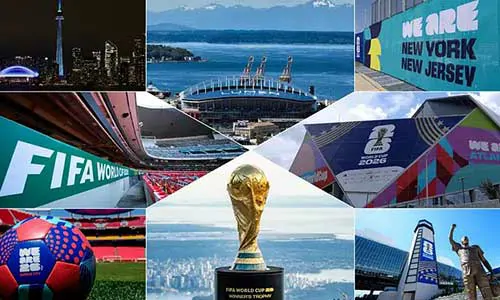
Choosing the right host city involves more than just selecting a match on a map. To help you plan your journey, we have evaluated and ranked the top cities based on stadium design, football culture, public transit, and overall tourist appeal. Whether you want to witness historic arenas or experience state-of-the-art modern marvels, this guide will help you navigate your journey during the FIFA World Cup 2026.
Table of Contents
Methodology for Ranking the FIFA World Cup 2026 Cities
To rank these hosts fairly, we looked beyond the size of the stadiums. While massive capacities are impressive, the day-to-day experience of a traveling fan depends heavily on regional logistics and hospitality. Therefore, our evaluation focuses on four core categories.
First, we analyzed Football Culture and History. Cities with established, passionate local fanbases naturally offer a more vibrant matchday atmosphere. Second, we assessed Stadium Infrastructure, prioritizing venues that offer excellent sightlines, modern amenities, and comfortable seating. Third, we looked closely at Transport and Accessibility to determine how easily a visiting supporter can travel from the airport to downtown and the venue. Finally, we considered Tourist Appeal, ensuring that fans have plenty of activities, dining options, and attractions to enjoy between matches.
While every host city brings unique qualities to the tournament, some offer a more complete package for international travelers. By analyzing these factors, we have compiled a balanced ranking that highlights the absolute best destinations for soccer enthusiasts.
Top 10 FIFA World Cup 2026 Host Cities Ranked
1. Mexico City: The Historic Heart of the FIFA World Cup 2026
No city on earth matches the rich footballing heritage of Mexico City. Estadio Azteca is a legendary cathedral of the sport, having previously hosted two iconic World Cup finals in 1970 and 1986. Consequently, it occupies a unique place in football folklore, making it our top-ranked host city for pure football passion.
Watching a game here is a sensory experience. The passion of the local supporters is unmatched, and the city’s streets are filled with exceptional street food, history, and color. Additionally, Mexico City boasts an extensive metro system that makes traveling to the stadium affordable and straightforward.
While Estadio Azteca is undergoing significant renovations to modernize its facilities, its historic soul remains intact. For fans who want to touch history, Mexico City is the absolute pinnacle of the FIFA World Cup 2026 host destinations.
2. Seattle: The Loudest Fan Base in the FIFA World Cup 2026
Seattle has long been the gold standard for soccer support in the United States. Lumen Field, the home of the Seattle Sounders, is famous for its deafening atmosphere and passionate supporters’ groups. The stadium was specifically designed to trap sound, which creates an intense environment on matchdays.
Furthermore, the venue is located directly adjacent to downtown Seattle, making it incredibly walkable. Visiting fans can easily use the Link Light Rail to travel from Seattle-Tacoma International Airport straight to the stadium district.
In addition to the matchday experience, Seattle offers stunning views of the Pacific Northwest, a renowned craft beer scene, and a walkable waterfront. It stands out as a highly organized, soccer-obsessed city that will be a memorable highlight of the FIFA World Cup 2026.
3. New York/New Jersey: The Final Stage of the FIFA World Cup 2026
As the designated venue for the championship match, MetLife Stadium (officially named New York New Jersey Stadium for the event) will be the center of the footballing universe. Situated just across the Hudson River, this massive venue provides access to one of the world’s most vibrant metropolitan areas.
New York City’s cultural diversity ensures that every single participating national team will feel like they are playing a home match. The fan zones, cultural events, and nightlife options in the city will be unparalleled throughout the summer of 2026.
On the other hand, navigating transit out to East Rutherford, New Jersey, requires some patience. Fans will need to rely on the NJ Transit train system or dedicated buses from Manhattan. Nevertheless, the reward is experiencing the climax of the FIFA World Cup 2026 in a global metropolis.
4. Los Angeles: Glamour and Modernity in the FIFA World Cup 2026
Los Angeles is a city built on spectacles, and SoFi Stadium (Los Angeles Stadium) represents the pinnacle of modern venue design. This multi-billion-dollar architectural marvel features a translucent canopy roof and a massive dual-sided video board suspended over the pitch.
Soccer has deep roots in Southern California, supported by highly active local MLS fanbases. Fans visiting LA will experience a diverse soccer culture alongside beaches, Hollywood landmarks, and premium dining options. Therefore, it is a highly desirable destination for travelers seeking a vacation alongside football.
However, the city’s vast size means public transit can be complex. While the metro system is expanding, ridesharing and dedicated shuttles will still be necessary for many fans. Despite this minor hurdle, the sheer scale of the stadium and the surrounding entertainment district makes LA a premier destination for FIFA World Cup 2026 travelers.
5. Monterrey: Breathtaking Landscapes of the FIFA World Cup 2026
Monterrey is home to some of the most passionate football supporters in North America. Estadio BBVA (Monterrey Stadium) is globally famous for its stunning architectural design. Most notably, the stadium offers a breathtaking view of the iconic Cerro de la Silla mountain directly from the stands.
The city’s two Liga MX clubs, Rayados and Tigres, share an intense rivalry that has fostered a deeply embedded football culture. On matchdays, the surrounding area turns into a lively celebration of local food, music, and support.
In addition to the football, Monterrey offers a modern, clean infrastructure with incredible mountainous scenery. Because of this unique blend of natural beauty and raw footballing passion, Monterrey is highly recommended for fans seeking an authentic, highly energetic Latin American tournament atmosphere.
6. Toronto: Multi-Cultural Passion for the FIFA World Cup 2026
Toronto represents Canada’s diverse and multicultural heart. Toronto Stadium (BMO Field) is being temporarily expanded to accommodate over 45,000 spectators for the tournament, offering a cozy and intimate viewing experience compared to giant NFL stadiums.
Local fans are highly knowledgeable, thanks to the established soccer culture surrounding Toronto FC. Because of the city’s incredible cultural diversity, you can find vibrant communities supporting teams from all over the globe, which will create an amazing festival atmosphere in local neighborhoods like Little Italy, Portugal Village, and beyond.
Furthermore, the stadium is highly accessible via public transit, located just a short streetcar or GO Train ride from downtown. Consequently, Toronto offers one of the most convenient and welcoming environments for international visitors during the FIFA World Cup 2026.
7. Atlanta: State-of-the-Art Arenas of the FIFA World Cup 2026
Atlanta has emerged as an unexpected powerhouse of North American soccer. Mercedes-Benz Stadium (Atlanta Stadium) regularly sets MLS attendance records and features a futuristic retractable roof and a 360-degree halo board.
The local fan culture is young, diverse, and highly enthusiastic. Moreover, the stadium is located directly in downtown Atlanta, allowing fans to walk to attractions like the Georgia Aquarium and the World of Coca-Cola. The MARTA rail network also services the stadium directly, making transit incredibly easy.
Atlanta offers warm Southern hospitality and a highly integrated stadium experience. Its top-tier transit and affordable, award-winning food options inside the venue make it a highly practical and enjoyable destination for the FIFA World Cup 2026.
8. Vancouver: Scenic Splendor in the FIFA World Cup 2026
Vancouver offers one of the most beautiful backdrops of any host city. BC Place (Vancouver Stadium) is situated right on the edge of False Creek in downtown Vancouver, offering breathtaking views of the ocean and the North Shore Mountains.
The stadium features a state-of-the-art cable-supported retractable roof and a massive center-hung scoreboard. Vancouver is exceptionally pedestrian-friendly, and fans can easily walk or take the SkyTrain directly to the matches.
Between matches, fans can explore Stanley Park, enjoy incredible Asian cuisine, or take a quick day trip into the mountains. Vancouver is ideal for those who want to combine world-class football with outdoor exploration.
9. Dallas: Massive Scale and Infrastructure for the FIFA World Cup 2026
Dallas Stadium (AT&T Stadium) is a monument to Texas-sized ambitions. Located in Arlington, this massive indoor arena can expand to hold over 100,000 fans, ensuring an incredible, high-energy environment for the nine matches it is scheduled to host.
While the stadium is an engineering masterpiece, its location in Arlington presents transit challenges. There is limited public rail service to the venue, which means fans will need to rely heavily on shuttle buses or ridesharing. Nevertheless, the sheer scale of the matchday experience compensates for these travel logistics.
In addition, Dallas offers phenomenal food, particularly Tex-Mex and Texas barbecue, along with a thriving arts district. For fans who want to see matches in one of the grandest arenas ever built, Dallas is an essential stop.
10. Miami: Vibrant Culture and Coastal Vibe in the FIFA World Cup 2026
Miami is a vibrant, football-loving city that has experienced a massive surge in soccer interest in recent years. Hard Rock Stadium (Miami Stadium) is a highly experienced host of international friendly matches and major tournaments.
The city’s strong Latin American and Caribbean influences guarantee that matchdays will feel like an ongoing street festival. Furthermore, Miami’s pristine beaches, diverse culinary scene, and world-famous nightlife make it an incredibly attractive destination for tourists.
However, the stadium is located in Miami Gardens, quite far from popular areas like South Beach or Downtown Miami. This distance requires planning ahead for rental cars or shuttle services. Despite this, the festive, tropical atmosphere ensures that Miami remains a favorite spot for fans during the FIFA World Cup 2026.
Complete Stadium Directory for the FIFA World Cup 2026
To help you visualize where the action will happen, here is a detailed breakdown of the selected stadiums, their tournament names, and their approximate seating capacities.
| City | Stadium Name | Capacity | Key Highlight |
|---|---|---|---|
| Mexico City | Estadio Azteca | ~83,000 | Historic 1970 & 1986 venue |
| Seattle | Lumen Field | ~69,000 | Incredible acoustic design |
| New York/NJ | MetLife Stadium | ~82,500 | Host of the Final Match |
| Los Angeles | SoFi Stadium | ~70,000 | State-of-the-art screen & canopy |
| Monterrey | Estadio BBVA | ~53,500 | Iconic mountain views |
| Toronto | BMO Field | ~45,000 | Highly accessible lakefront location |
| Atlanta | Mercedes-Benz Stadium | ~71,000 | Retractable roof and downtown location |
| Vancouver | BC Place | ~54,500 | Scenic Pacific Northwest setting |
| Dallas | AT&T Stadium | ~80,000+ | Expansive capacity & giant video board |
| Miami | Hard Rock Stadium | ~65,000 | Vibrant, warm, tropical atmosphere |
Practical Travel Tips for Spectators
Attending matches across multiple countries requires careful planning. First, you must consider the distance between cities. Traveling between Canada, the United States, and Mexico involves long-distance flights. Therefore, it is advisable to book your flights and regional connections well in advance to avoid steep price increases.
Additionally, visa requirements vary significantly between the host nations. Even if you have entry clearance for one country, you may still need separate visas or travel authorizations for the others. Make sure to double-check these regulations before finalizing your itinerary.
For more specific details on match logistics, you can review our guides on Stadium Bag Policies and learn How to Buy World Cup Tickets to secure your entry safely. Planning these details early will make your overall experience much more enjoyable.
Smart Transport Options for the FIFA World Cup 2026
While some host cities like Seattle, Vancouver, and Toronto feature highly integrated subway or light rail systems, other destinations are heavily dependent on automobiles. In car-centric regions like Dallas, Los Angeles, and Miami, rideshare prices are expected to rise significantly on matchdays.
Consequently, we recommend looking into dedicated shuttle services organized by local authorities. Many host cities are preparing special transit routes to transport fans from downtown hubs directly to the stadium gates. For official transit maps, updates, and schedule announcements, you should regularly consult the Official FIFA Website.
If you are planning to visit multiple venues, grouping your matches by region (such as the West Coast, Central, or East Coast regions) is a great strategy to minimize travel weariness and save on flights. For regional football culture insights, you can also explore the Major League Soccer Official Site to see where the domestic game is thriving.
The Lasting Legacy of the Tournament
Ultimately, the FIFA World Cup 2026 is not just about the matches; it is about building a sustainable foundation for football in North America. By expanding the sport to new communities and modernizing public infrastructure, this tournament will leave a long-lasting impact on all 16 host cities. For fans, this event offers a rare opportunity to explore three distinct cultures united by a shared love for the game.
If you are planning to attend, we suggest preparing your itinerary soon. For more in-depth preparation tips, read our comprehensive FIFA World Cup Travel Guide to make the most of this historic event.
Frequently Asked Questions (FAQ)
Where will the final match of the FIFA World Cup 2026 take place?
The final of the FIFA World Cup 2026 will be hosted at MetLife Stadium (New York New Jersey Stadium) in East Rutherford, New Jersey, on July 19, 2026.
How many host cities are there in the FIFA World Cup 2026?
There are a total of 16 host cities participating in the FIFA World Cup 2026: 11 in the United States, 3 in Mexico, and 2 in Canada.
Are there matches in Canada for the FIFA World Cup 2026?
Yes, Canada has two host cities: Toronto (Toronto Stadium / BMO Field) and Vancouver (BC Place).
Which city is expected to have the best football atmosphere during the FIFA World Cup 2026?
While subjective, Mexico City (Estadio Azteca) and Seattle (Lumen Field) are widely expected to offer the most passionate and intense atmospheres due to their deep soccer history and dedicated local fan bases.
How can I buy tickets for the FIFA World Cup 2026?
Tickets will be sold through the official FIFA platform. Fans should register for ticket alerts directly on the official FIFA site to receive updates on sales phases and availability.
What is the largest stadium by capacity hosting matches?
Estadio Azteca in Mexico City and MetLife Stadium in New York/New Jersey are the largest venues, both accommodating over 80,000 fans. AT&T Stadium in Dallas can also expand to hold up to 100,000 spectators.